Source Motorcycle Plug for Ignition, Wiring, and Fork Applications
Find and compare 30 motorcycle plug options for ignition systems, overhead wiring, and fork connections. Evaluate specifications like thread size, heat range, and certification to select the right components for your manufacturing needs; compare the available evidence and request quotations based on your requirements.
Key considerations
Products List


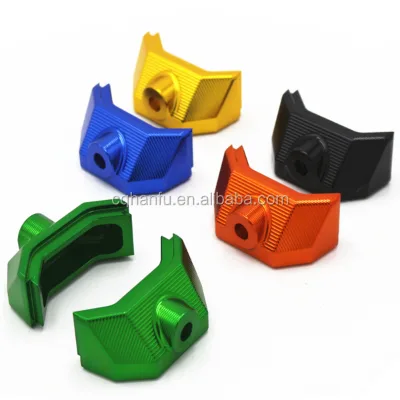


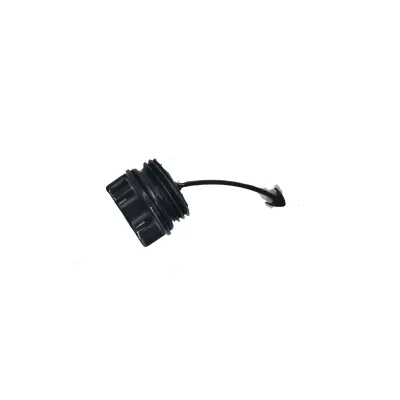


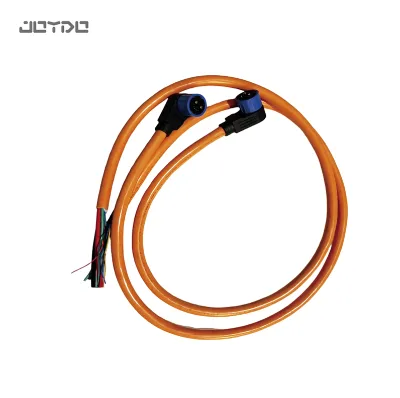


$14.50 - $15.00
Moq: 200


Comprehensive Sourcing Guide
Motorcycle Plug Sourcing Guide
Sourcing motorcycle plugs requires a nuanced understanding of both ignition system components and general electrical connectors, as the term often spans distinct product categories. Buyers must first distinguish between spark plugs, which are critical for internal combustion engine performance, and electrical wiring plugs used for harness connections. The market offers a wide variety of options, from specific model-fit spark plugs like the A-LKR7 and A-LZFR6 to universal ignition system components and general-purpose electrical connectors. Understanding this distinction is vital for ensuring that the procured items match the specific mechanical or electrical requirements of the motorcycle assembly or repair process.
Procurement strategies should also account for the diverse manufacturing origins and customization capabilities available in the current market. Many suppliers, particularly those based in China, offer extensive customization options for both physical dimensions and electrical specifications. This flexibility allows buyers to tailor components to unique engine designs or aftermarket modifications. However, this variety also introduces complexity in quality assurance, as buyers must verify that each component, whether a high-heat spark plug or a low-voltage connector, meets the rigorous demands of motorcycle environments, including vibration, heat, and moisture exposure.
Product Scope and Observed Listing Signals
The observed product landscape reveals a significant price range, spanning from minimal costs for basic electrical components to higher values for specialized ignition parts. This variance reflects the difference between simple stranded copper wires with PVC or PE insulation and complex, precision-engineered spark plugs with specific thread sizes and heat ranges. Buyers should note that minimum order quantities (MOQs) vary widely, starting from single units for sampling up to ten thousand pieces for bulk industrial orders. This flexibility allows small repair shops to source individual parts while large manufacturers can negotiate bulk pricing for mass production needs.
Listing signals also indicate a strong emphasis on specific technical attributes, such as thread size, reach, and hex dimensions for spark plugs, and conductor material and sheath type for electrical wires. For instance, spark plugs are often listed with precise metrics like S16*M12x26.5 thread standards and specific heat ranges, while electrical plugs may highlight features like stranded copper conductors and PC sheaths. These detailed specifications serve as key filtering criteria for buyers, enabling them to quickly identify components that match their existing inventory or new design requirements without needing to request extensive technical datasheets for every potential supplier.
Technical Specifications to Verify
When evaluating spark plugs, buyers must verify critical dimensional and thermal specifications to ensure proper engine fit and performance. Key parameters include thread size, reach length, and hex size, which must align precisely with the motorcycle’s cylinder head. For example, common specifications include M18X1.5 thread sizes with a 20.6mm reach and a 7/8 inch hex. Additionally, the heat range is a crucial factor, with values like 77 indicating the plug’s ability to dissipate heat, which directly impacts engine efficiency and longevity. Buyers should also confirm the electrode gap, typically around 0.3mm, to ensure optimal spark ignition under varying operating conditions.
For electrical connectors and wiring harnesses, verification focuses on material integrity and environmental resistance. Buyers should confirm the conductor material, such as stranded copper, and the insulation type, like PE or PVC, to ensure durability against heat and abrasion. The application range, whether for overhead, heating, or underground use, dictates the necessary insulation thickness and sheath material. Furthermore, the package type, whether batch packaging or individual boxes, can impact storage and handling efficiency. Verifying these details ensures that the electrical components can withstand the harsh vibrations and temperature fluctuations typical of motorcycle operation.
Compliance and Safety Documentation
Compliance documentation is essential for ensuring that motorcycle plugs meet international safety and quality standards. For spark plugs, certifications such as TS16949 and ISO9001 indicate that the manufacturer adheres to rigorous quality management systems specific to the automotive and motorcycle industries. These certifications suggest that the production processes are controlled and consistent, reducing the risk of defects that could lead to engine failure. Buyers should request valid certification copies to verify that the supplier’s quality management system is current and covers the specific product lines being procured.
For electrical connectors and wiring, certifications like CE, RoHS, and CCC are critical for market access and safety assurance. These certifications confirm that the materials used are free from hazardous substances and that the products meet electromagnetic compatibility and electrical safety requirements. Buyers should also verify that the products comply with relevant regional standards, especially if importing into markets with strict regulatory environments. Ensuring that all components are properly certified not only mitigates legal risks but also enhances the overall reliability and safety of the final motorcycle assembly.
Cost Drivers and Commercial Terms
Cost drivers for motorcycle plugs include material quality, manufacturing complexity, and order volume. Spark plugs with precise thermal management and durable electrode materials typically command higher prices due to the specialized engineering involved. In contrast, basic electrical connectors made from standard copper and plastic may be more cost-effective, especially when purchased in large quantities. Buyers should analyze the total cost of ownership, considering factors like lead time and packaging, which can impact inventory holding costs and supply chain efficiency. Understanding these drivers helps in negotiating better terms and selecting suppliers that offer the best value for specific project needs.
Commercial terms, including MOQs and delivery times, significantly influence procurement planning. Many suppliers offer flexible MOQs, starting from 300 pieces for customized orders, which can be advantageous for small to medium-sized buyers. Delivery times, often around 30 days for standard orders, should be factored into production schedules to avoid delays. Buyers should also clarify payment terms and shipping responsibilities to avoid hidden costs. Clear communication regarding these commercial terms ensures a smooth transaction process and helps in maintaining a stable supply chain for critical motorcycle components.
Supplier Qualification and Quality Control
Supplier qualification begins with verifying their manufacturing capabilities and quality control processes. Buyers should assess whether the supplier has experience in producing motorcycle-specific components, as this indicates a deeper understanding of the technical requirements and performance standards. Suppliers with certifications like TS16949 are often better equipped to handle the stringent quality demands of the automotive and motorcycle sectors. Additionally, buyers should inquire about the supplier’s quality control procedures, including incoming material inspections, in-process checks, and final product testing, to ensure consistent product quality.
Quality control also involves verifying the supplier’s ability to handle customization requests without compromising quality. Many suppliers offer customization for thread sizes, heat ranges, and electrical specifications, but buyers must ensure that these customizations are produced with the same level of precision as standard items. Requesting sample units for testing is a crucial step in this process, allowing buyers to verify fit, function, and durability before committing to larger orders. Establishing a strong relationship with a qualified supplier ensures a reliable source of high-quality motorcycle plugs and reduces the risk of supply chain disruptions.
Long-Term Procurement Checks
Long-term procurement success depends on continuous monitoring of supplier performance and product quality. Buyers should establish key performance indicators (KPIs) such as defect rates, on-time delivery, and responsiveness to issues. Regular audits of the supplier’s quality management system can help identify potential problems before they impact production. Additionally, staying updated on industry standards and technological advancements ensures that the procured components remain relevant and compliant with evolving market requirements. This proactive approach helps in maintaining a competitive edge and ensuring the reliability of the final motorcycle products.
Building a diversified supplier base is another critical strategy for long-term procurement stability. Relying on a single supplier can pose risks related to capacity constraints, quality issues, or geopolitical disruptions. By qualifying multiple suppliers for similar components, buyers can mitigate these risks and maintain flexibility in their supply chain. Regularly reviewing and updating the supplier list based on performance data ensures that the procurement team works with the most reliable and cost-effective partners. This strategic approach supports sustainable growth and resilience in the face of market fluctuations and supply chain challenges.
FAQs
What certifications are available for motorcycle plugs?
Available certifications include TSISO9001, TS16949, ISO, RoHS, CE, and CCC. These standards ensure quality and safety compliance for various markets. Buyers should verify specific certification requirements with suppliers to match their regional regulations and industry standards effectively.
Can motorcycle plugs be customized for specific needs?
Yes, customization is available for motorcycle plugs. Buyers can request specific models, standards, or packaging options to suit their requirements. This flexibility allows for tailored solutions that meet unique application demands and branding preferences in the B2B sector.
What is the typical MOQ for motorcycle plug orders?
The typical MOQ is 300 PCS, though ranges can extend up to 10,000 units depending on the supplier. This minimum order quantity helps balance production efficiency with buyer inventory needs. Smaller orders may incur higher per-unit costs or require special arrangements.
How long is the delivery time for motorcycle plugs?
The standard delivery time is approximately 30 days. This lead time allows for production, quality control, and logistics preparation. Buyers should plan their inventory accordingly and confirm exact timelines with suppliers, as rush orders may have different schedules or surcharges.
What materials are used in motorcycle plug construction?
Common materials include copper for conductors and insulation, with PC sheaths and PE insulation. Some components may use casting techniques. These materials ensure durability, thermal stability, and electrical performance, meeting the rigorous demands of motorcycle ignition systems and related applications.
Where are motorcycle plugs typically manufactured?
Motorcycle plugs are typically manufactured in China. This region offers robust supply chains and competitive pricing for automotive components. Buyers can access a wide variety of models and specifications from these sources, ensuring reliable supply for global distribution and aftermarket needs.